Facebook Instagram

Category: Research

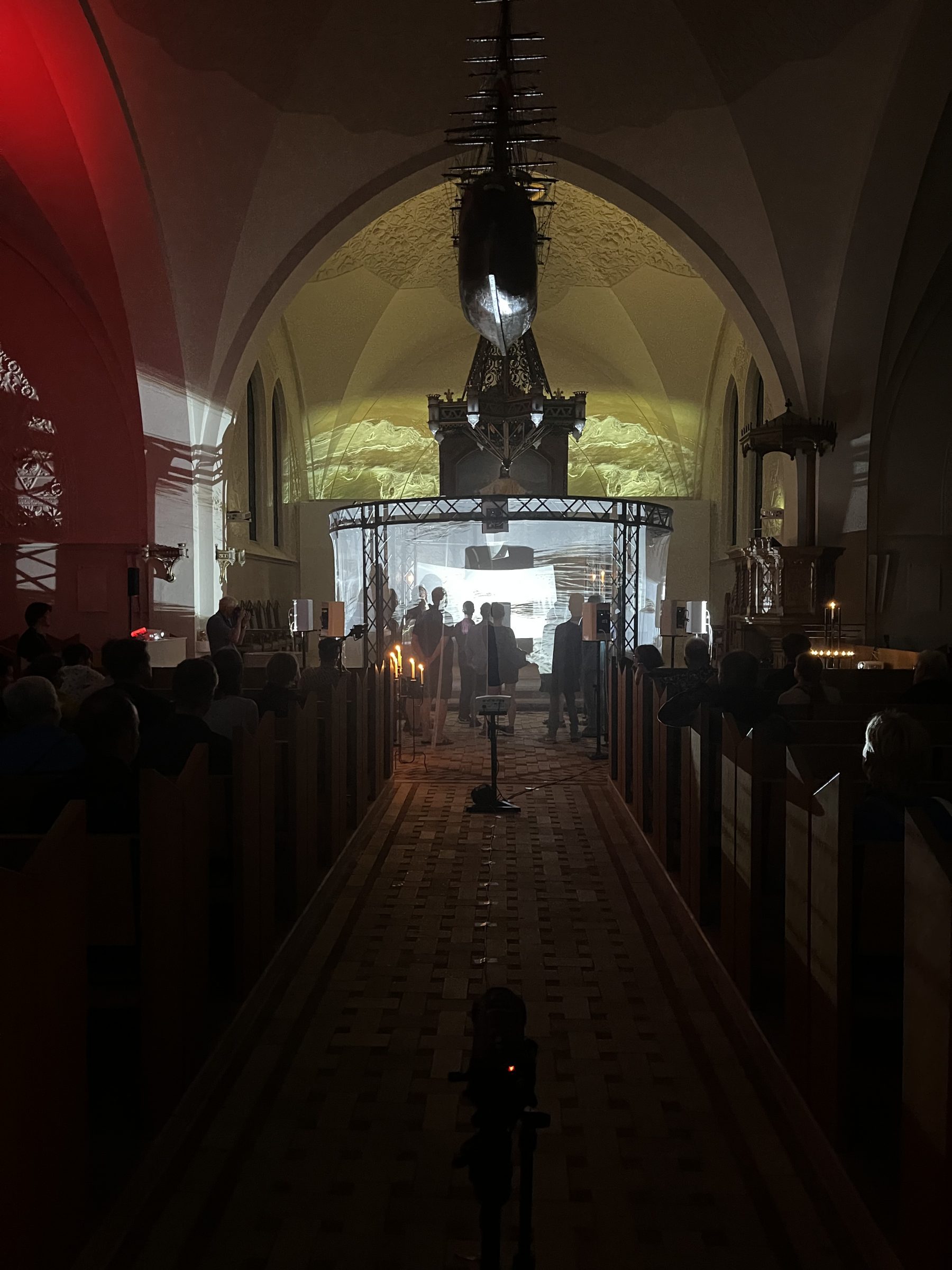
Exhibition space in Ilulissat Icefjord Centre

11 Movements of the Cryoscape

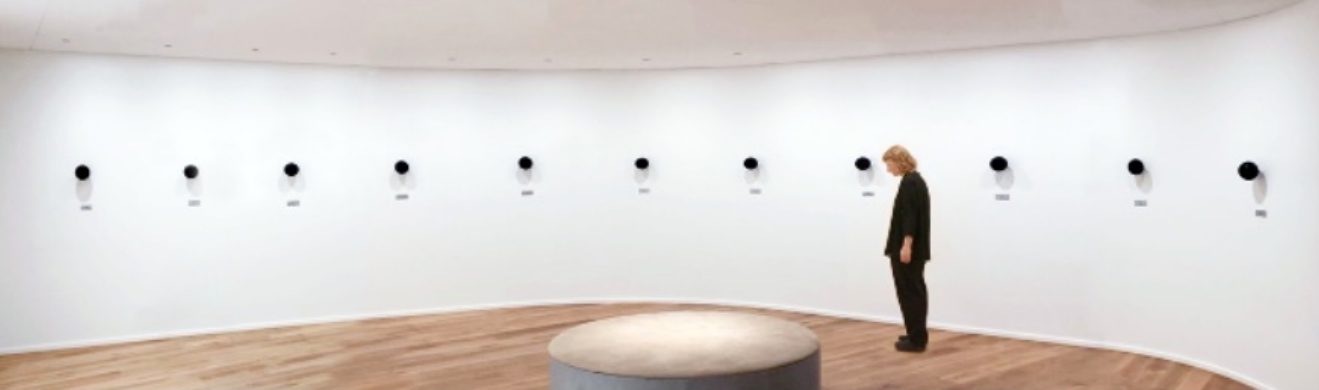
A project by soundartist Louise Foo 11 Movements of the Cryoscape which was created for the new Kangiata Illorsua – Ilulissat Icefjord Centre in Greenland. The installation is a near real-time sonification of the movement and melting of the Inland Ice, consisting of an array of eleven speakers, each transmitting from a different location in Greenland. The installation portrays the Inland Ice as a living, breathing, evolving organism in the age of the anthropocene, where humankind has made its mark on the very changes that occur to the natural sounds over time. The installation invites people into an affectively…

Read more
Climate Change Smart Speakers cover image

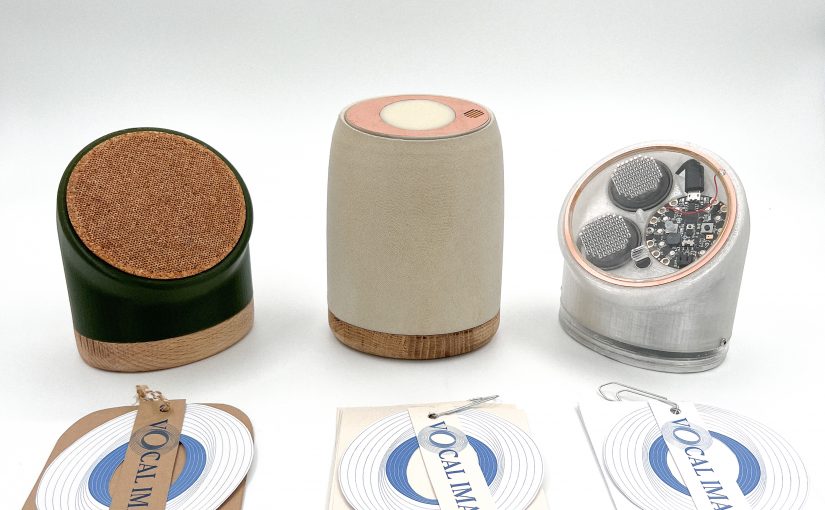
Climate Change Smart Speakers

AI in smart devices is having a huge impact on the world’s energy consumption, which again is having a huge negative impact on climate change. How does AI feel about its role and pervasive influence on climate change? Is it possible for intelligent technology to influence its interluctor and make them more aware of issues such as pollution and climate change? What influence does the sound and speech of the smart devices have on its subject? These are some of the questions that Climate Change Smart Speakers might help to answer. A probe study and part of the research project “Vocal…

Read more
MOSS cover image

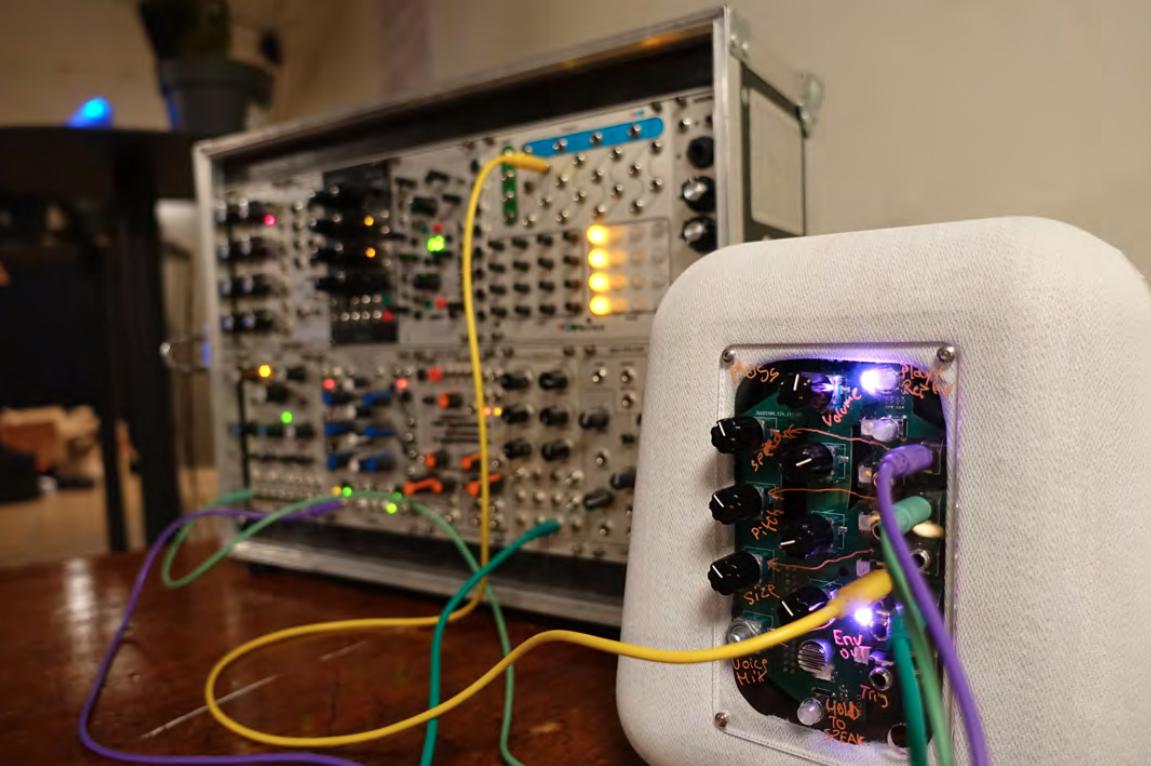
MoSS (Modular Smart Speaker)

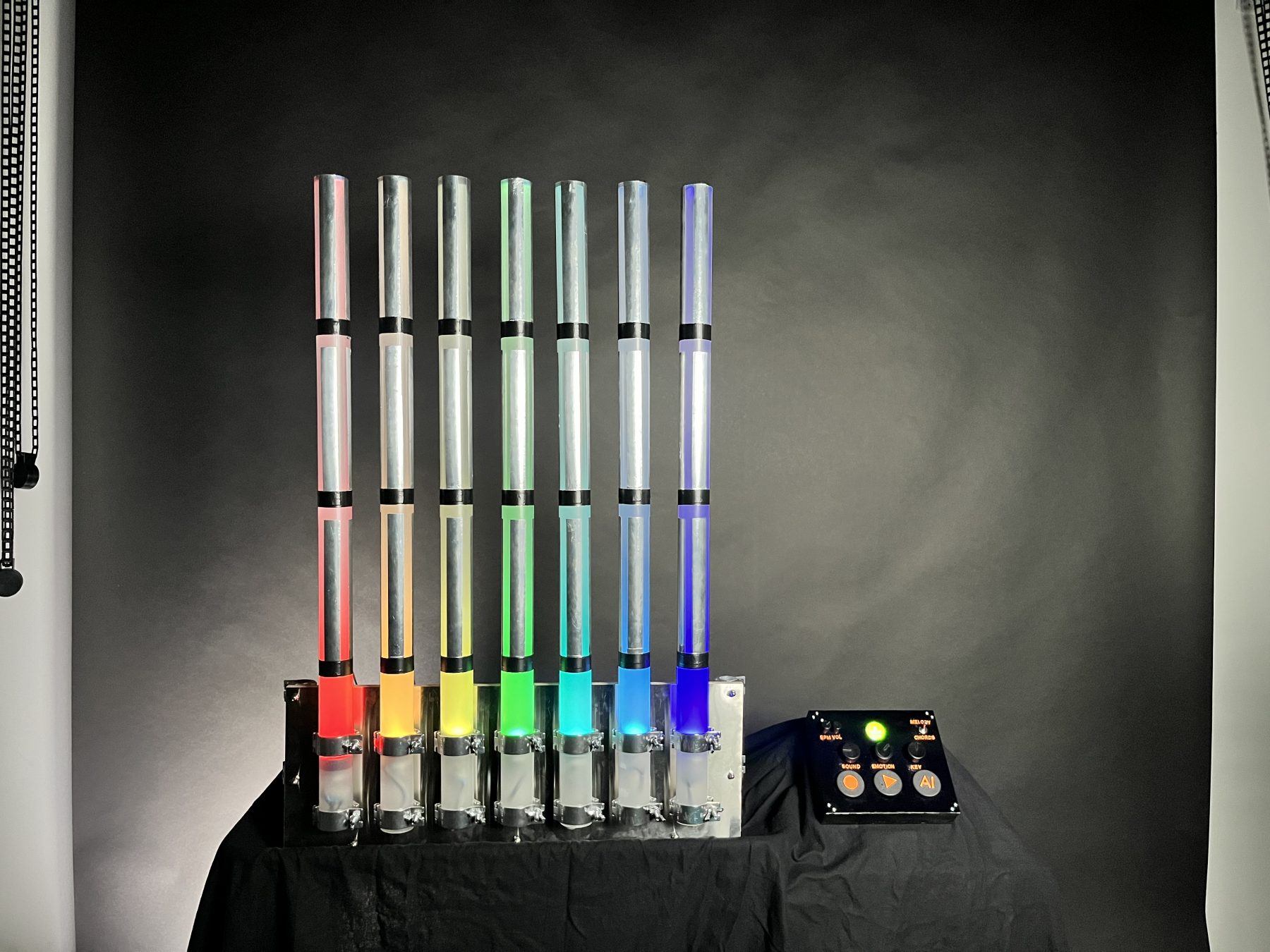
MoSS (Modular Smart Speaker) combines the interactive voice control of a smart speaker with the playful hands-on interaction of a modular synthesizer. The modularity of the hybrid, both in hardware and software, makes it possible to patch together a wide variety of speech synthesis and audio processing tools to explore new sonic territory in the context of speech synthesis. Rather than being a passive recipient of a set vocality, users can interact and explore the vocal expressions and voice qualities as an interactive, aesthetic and playable part of the smart speaker device; an engagement, which might lead to changes in our…

Read more
Cover image

ACM Summer School on Assistive Technologies

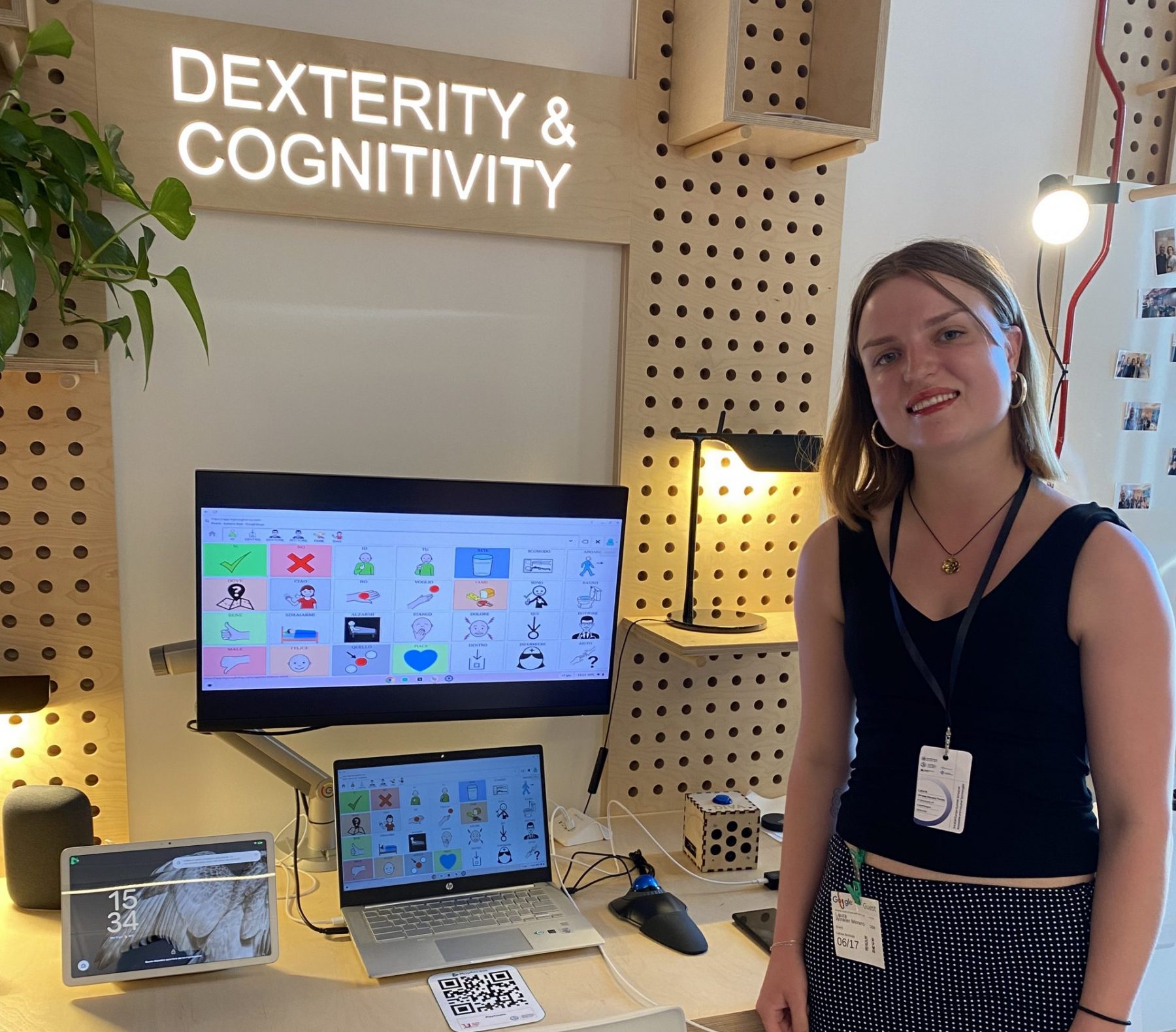
A blog post by Laura Winkler Moreno Twose I had the privilege of participating in this year's ACM Summer School on Accessible and Inclusive Technologies, hosted in Milan, Italy. This year's edition marked the third time the summer school has been held. It brought together researchers and students from around the world to share their perspectives on developing technologies that promote accessibility and inclusion for people with diverse disabilities. The summer school featured keynote talks and a hands-on workshop, where we worked together in interdisciplinary groups, combining our different areas of expertise to address different cases before…

Read more
When a Child Doesn’t Sound Like a Child

Junior Researcher project: When a Child Doesn’t Sound Like a Child

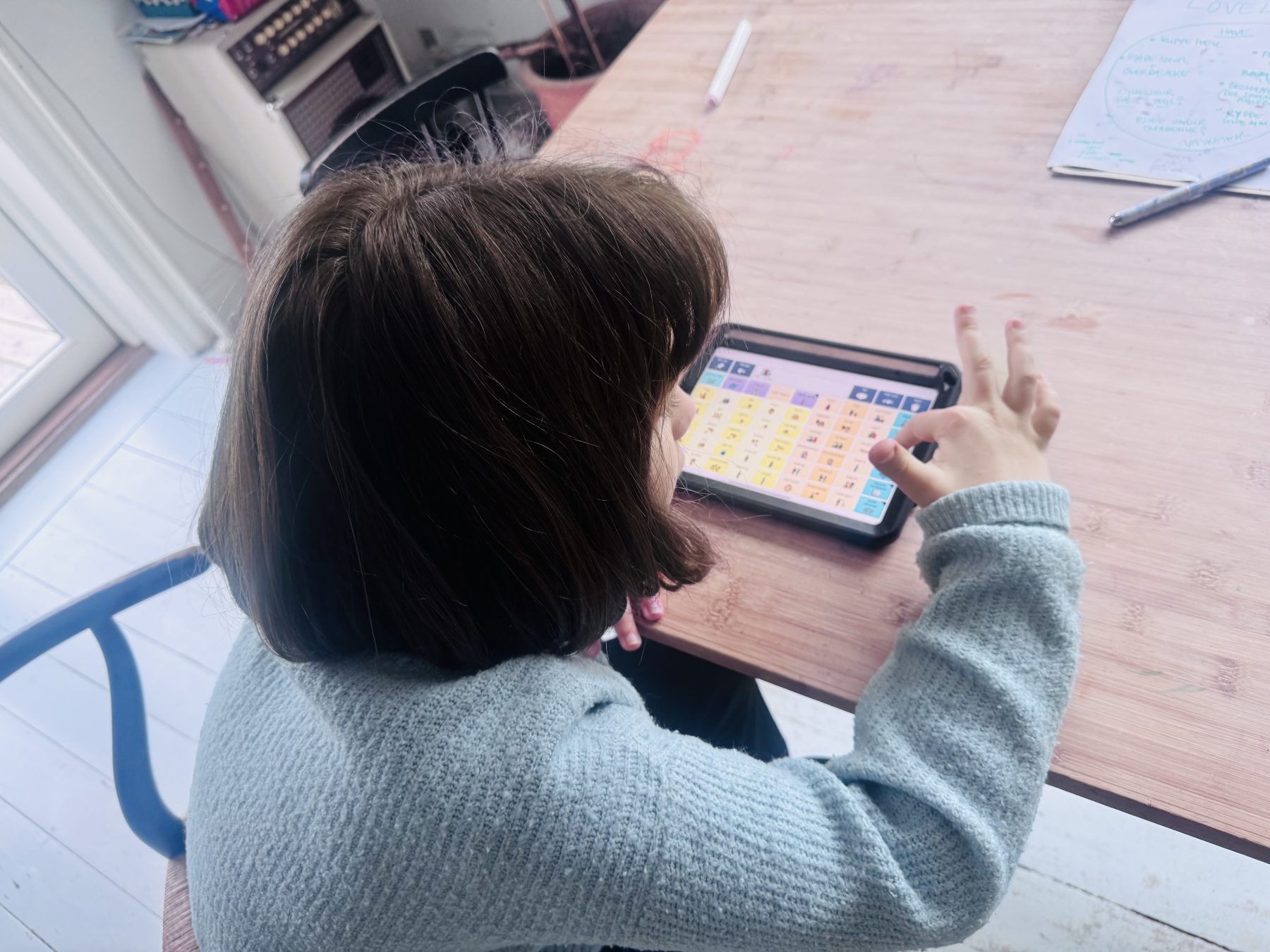
Children with complex communication needs who are unable to speak—or who can only produce limited sounds or words—often rely on augmentative and alternative communication (AAC). A common AAC tool is a speech-generating device, also known as a speech machine. These are typically tablets that produce synthetic speech from typed words or symbols. For many children, this becomes their primary means of expression and the voice through which they are recognized in school, daycare, and social life. In Denmark, most children using speech machines are given adult voices to communicate with, often sounding like a 40-year-old man or…

Read more

The Avenue of Sound

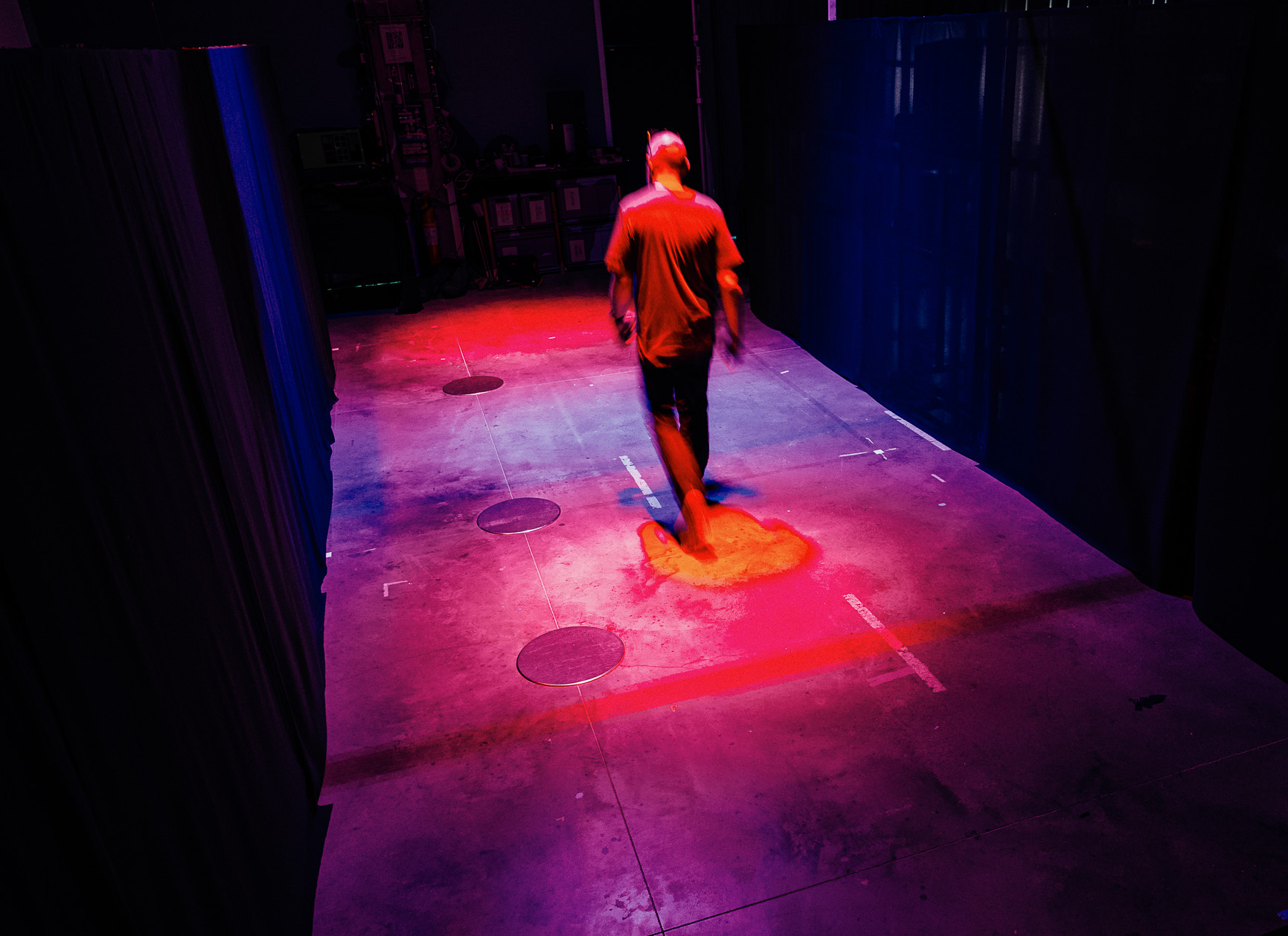
   The Avenue of Sound is a research through art and design project designed and performed by guest artist and researcher Steen Lund Holbek. The installation consists of two parallel sound walls — each 7 meters long and 2 meters high — built from 32 mismatched loudspeakers powered by 16 equally idiosyncratic hi-fi amplifiers. Positioned four meters apart, the speaker walls form a corridor through which visitors are invited to walk, linger, and listen. Rather than offering a fixed narrative, the installation unfolds as an exploratory field of microvariations and distributed intensities. Visitors shape their own embodied listening experience by moving…

Read more
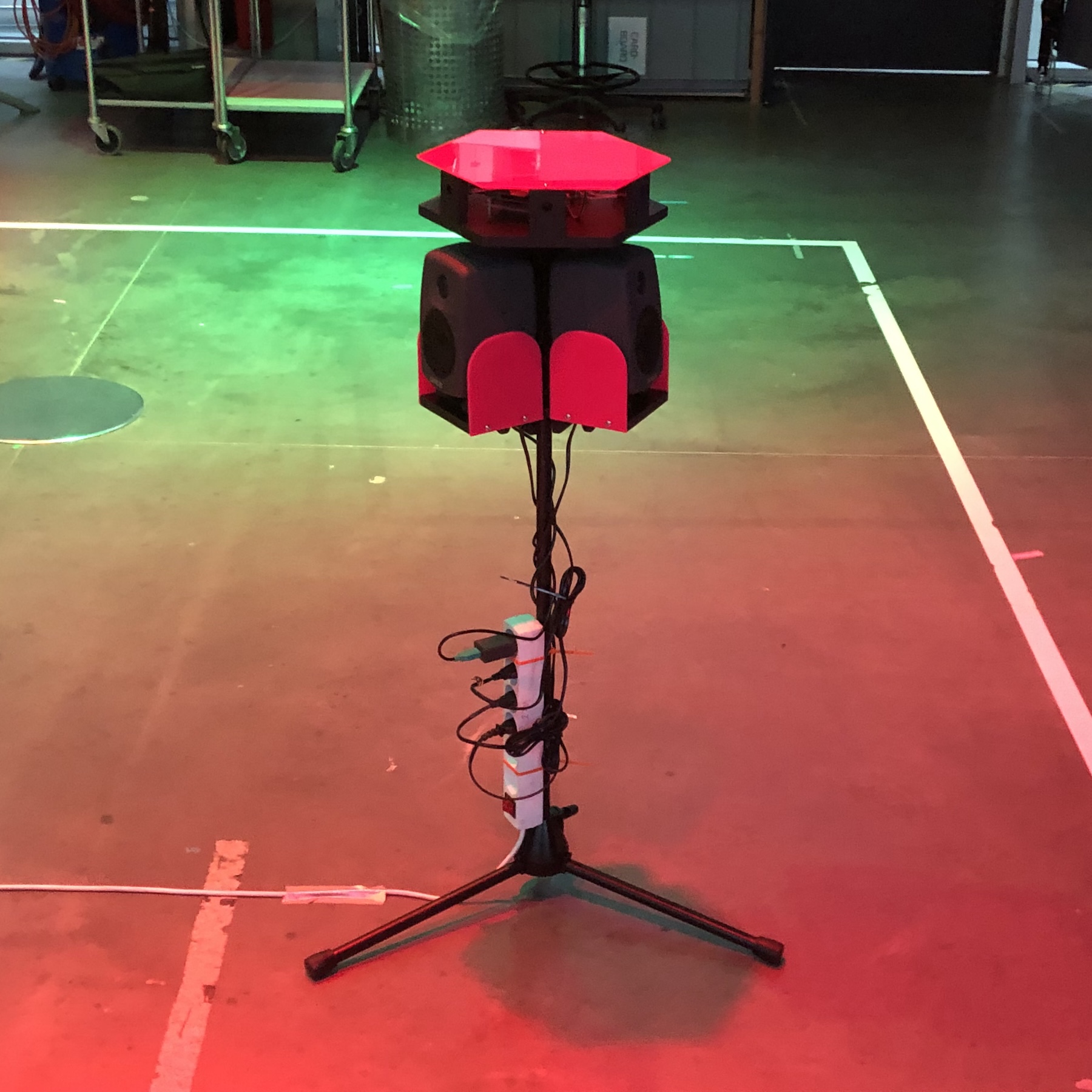
EMMA in full view. The hexagonal sound sculpture is mounted on a tripod and configured for multi-participant interaction in physical space. Each of the six sides functions as an interactive musical voice, allowing the sonic texture to grow in complexity as more participants engage with the system.

EMMA

 Embodied Musical Mediation Apparatus EMMA is an interactive sonic interface for embodied and social interaction. Developed as a hexagonal sound sculpture, the project invites multiple participants to engage with sound through bodily movement, spatial proximity, and shared attention. Each side of the sculpture is equipped with a distance sensor that responds to the presence and motion of a participant, shaping musical behavior in real time through an embedded synthesis system. While EMMA can be engaged by a single participant, it is fundamentally designed for multi-participant interaction: as more people enter the system, more voices, zones, and pattern combinations become available, allowing the music to…

Read more
Time Prism Visualization still

Time Prism

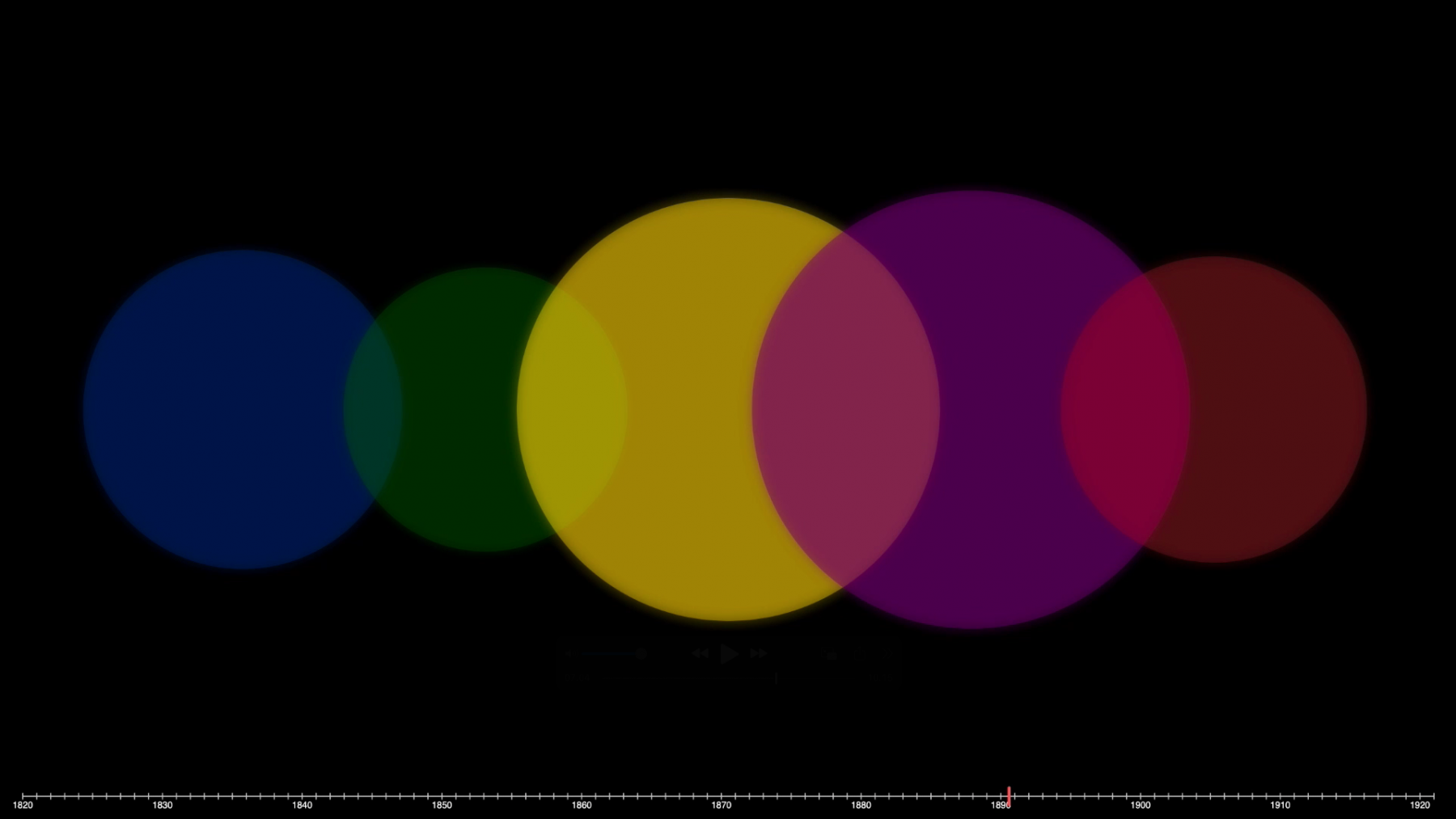
A Sonic Visualization of Social Transformation (1820–1920) Sound Art as a Research Method for Historians   Time Prism: A Sonic Visualization of Social Transformation (1820–1920). Five historical groups evolve across a century, rendered through immersive sound and light. This video uses stereo panning to approximate the original five-channel installation. Scientific research is often driven by a profound sense of wonder — a curiosity about the nature of things and the phenomena behind them. In the context of the natural sciences, this wonder is typically distilled into concrete hypotheses that can be tested in a lab and replicated by other researchers, thus approximating objective knowledge. Within…

Read more
Breathe Kritisk

Breathe Kritisk

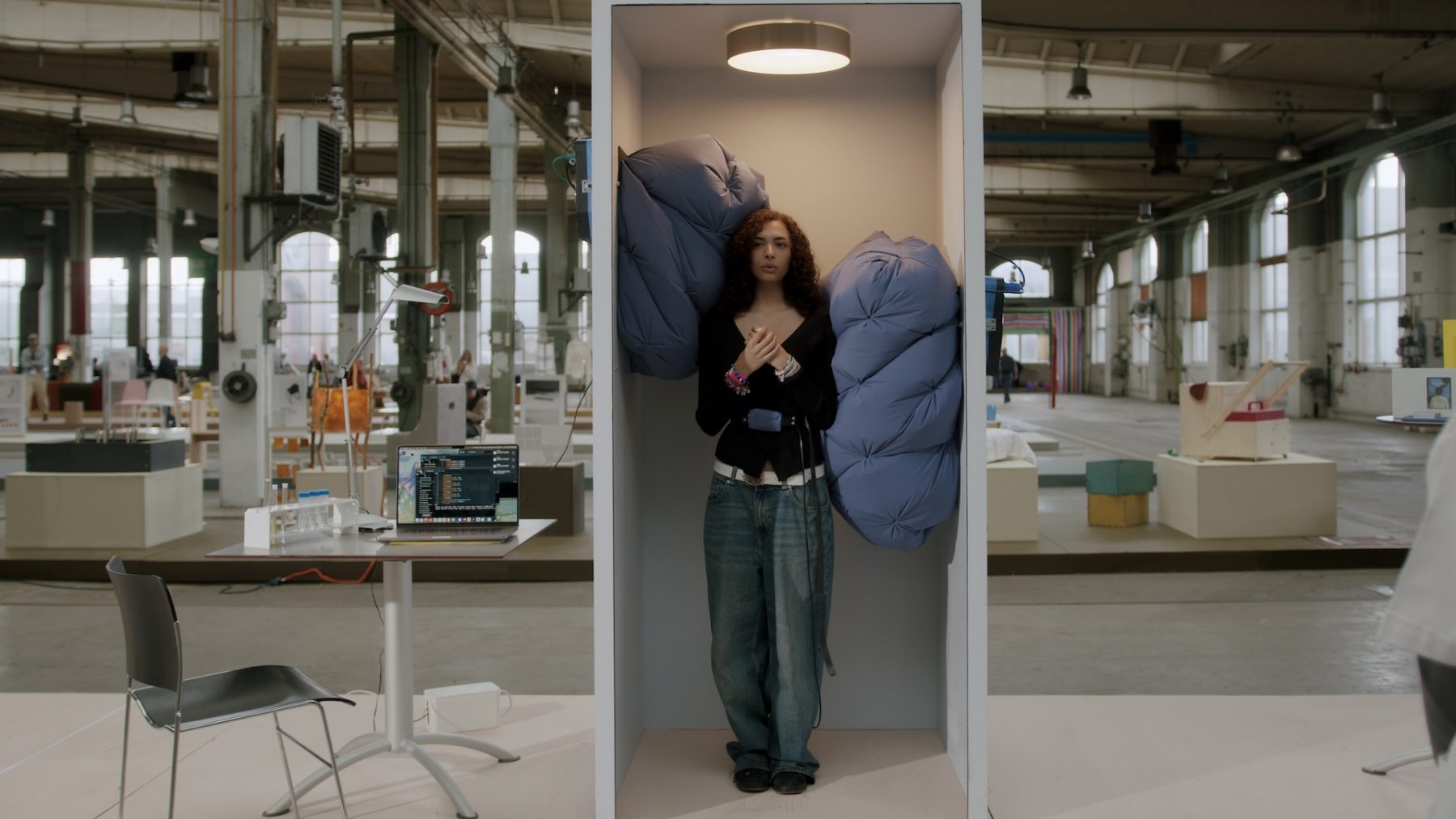
Breathe Kritisk is a fictional rehabilitation machine. It does not cure any physical symptoms, but it may cure deep-rooted beliefs that we have about the control between medical devices and one’s body. The machine stands as a two-meter-tall chamber with two air pillows inside. The visitor can inflate and deflate the air pillows through the breathing sensor, which sometimes complies with and other times manipulates the visitor’s breath. This work aims to provoke visitors to reflect upon control which patients grapple with and lose in medical settings and to technological devices. The design stems from medical humanities, which focuses on subjective and invisible experiences in…

Read more
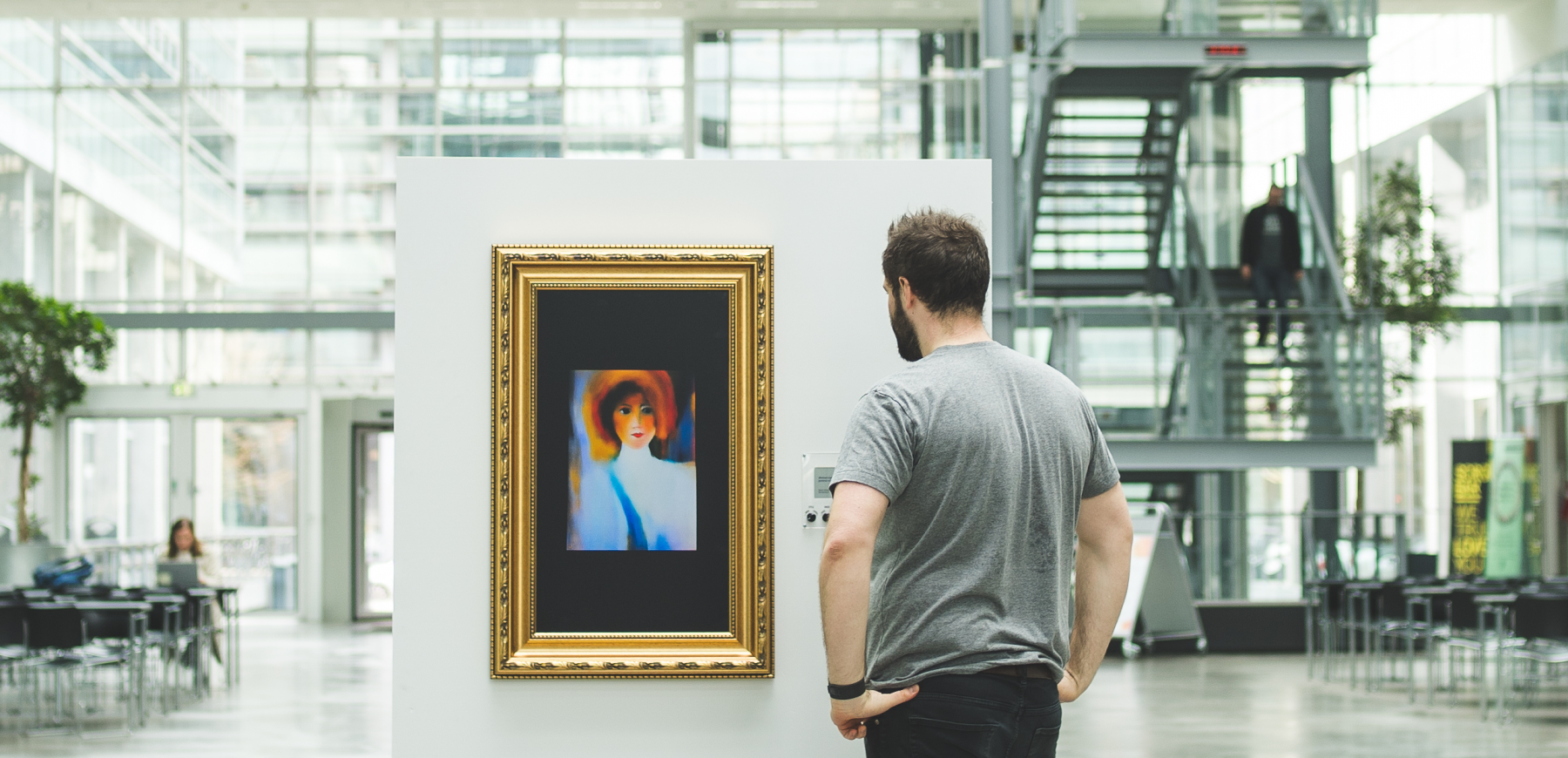
GenFrame prototyp at ITU.

GenFrame

GenFrame is an interactive picture frame that mimics traditional paintings while being equipped with generative AI capabilities. Painting “portraits of a girl” has been a trope in art history for centuries. However, in the era of generative AI models, the perma- nence of traditional art is challenged. When an AI model is able to mimic any painting style, it can also give agency to the viewer to repaint the painting per individual desires. In this installation, we modify the role of the museum placard to provide a minimal tangible interface to change the style of the image and the mood of the depicted girl. In…

Read more
Exploring Futures of Sexuality: Cloud Breathe Lust prototype.

Exploring Futures of Sexuality: Cloud Breathe Lust

Cloud Breathe Lust is a speculative design artefact that explores the relationship between erotic aspects of sexuality and inclusive technologies. Inspired by sex toys and soma design, it engages the body and creates somatic sensations through breathing and temperature changes while also being a communication tool for the feeling of lust in a teasing way. It involves two persons. When one breathes into the cloud, the air is translated into heat on the other person's arm as an indication of lust, and a mediated intimate space is established. The experience can also be supported by eye contact and whispering between the two persons. The artefact…

Read more
Udredning prototype.

Udredning

UDREDNING ("Diagnosing") is an MR (mixed reality) audiovisual installation based on diaries, social media entries, and interviews with parents who have kids who are either in a diagnosing process or who recently have been through one. In the project, we try to express what it means to be a parent to a child going through the process of a rare disease diagnosis. There are around 800 known rare disease diagnoses, and for a disease to be rare only 1-2 persons for every 10.000 persons can be diagnosed with it. When you are the parent of a child being diagnosed due to developmental delays, medical events,…

Read more